Pay less per answer from your AI features
Find out whether self-hosting a model beats paying per token for your volume, then cut inference cost with batching, quantisation and autoscaling.
Overview
AI inference cost scales with use, and it surprises people. Paying an API per token is cheap at low volume and painful at high volume. Renting GPUs is the reverse: a fixed cost that only pays off once they are kept busy. Many teams pick one without running the numbers for their own traffic.
We model your actual request patterns against both options and tell you where the break-even sits. Self-hosting only makes sense above a certain steady volume, and below it we will say so. If self-hosting does pay, we tune the serving stack: vLLM with continuous batching, quantised models, right-sized GPUs and autoscaling that scales to zero when traffic allows.
Signs you need this
- Your AI API bill rises in step with every new customer
- GPU instances run around the clock regardless of demand
- You use the largest model for every request, including simple ones
- Nobody knows the cost per request or per customer of your AI features
What you get
- Cost per request baseline
- Measured cost per request and per customer for each AI feature, using your own logs and bills.
- Self-host versus API model
- A worked comparison for your traffic showing the volume at which self-hosting would break even, and the risks either way.
- Model routing
- Smaller or cheaper models for simple requests and larger ones only where quality needs it, checked against an evaluation set.
- Serving stack tuning
- vLLM or a similar server with continuous batching, quantisation and caching, sized to the right GPU type.
- GPU autoscaling
- Scaling rules based on queue depth or token throughput, with scale-to-zero for non-production and quiet periods.
How the work runs
- 1
Usage and cost analysis
1 to 2 weeks
Collect request logs, token counts and bills, and work out the cost of each AI feature today.
- 2
Options and break-even
1 week
Compare API, managed endpoints and self-hosting for your volume, including engineering effort, and agree a direction.
- 3
Optimise
2 to 5 weeks
Add routing and caching, or deploy and tune a self-hosted stack, checking answer quality against your evaluation set throughout.
- 4
Measure and hand over
1 week
Compare cost per request against the baseline, add cost dashboards and document how to retune as traffic changes.
Timings depend on the size of your estate. The assessment fixes them before any build starts.
What you can check afterwards
- A written break-even figure, in requests or tokens per day, for self-hosting against your current API
- A dashboard showing cost per request for each AI feature
- Answer quality checked against an agreed evaluation set before and after each change
- GPU capacity that scales down when traffic drops, visible in your cloud console
Tools we work with
- vLLM
- Hugging Face Text Generation Inference
- NVIDIA Triton Inference Server
- Kubernetes
- KEDA
- Karpenter
- Amazon Bedrock
- Azure OpenAI
- LiteLLM
- Prometheus
- Grafana
From our work
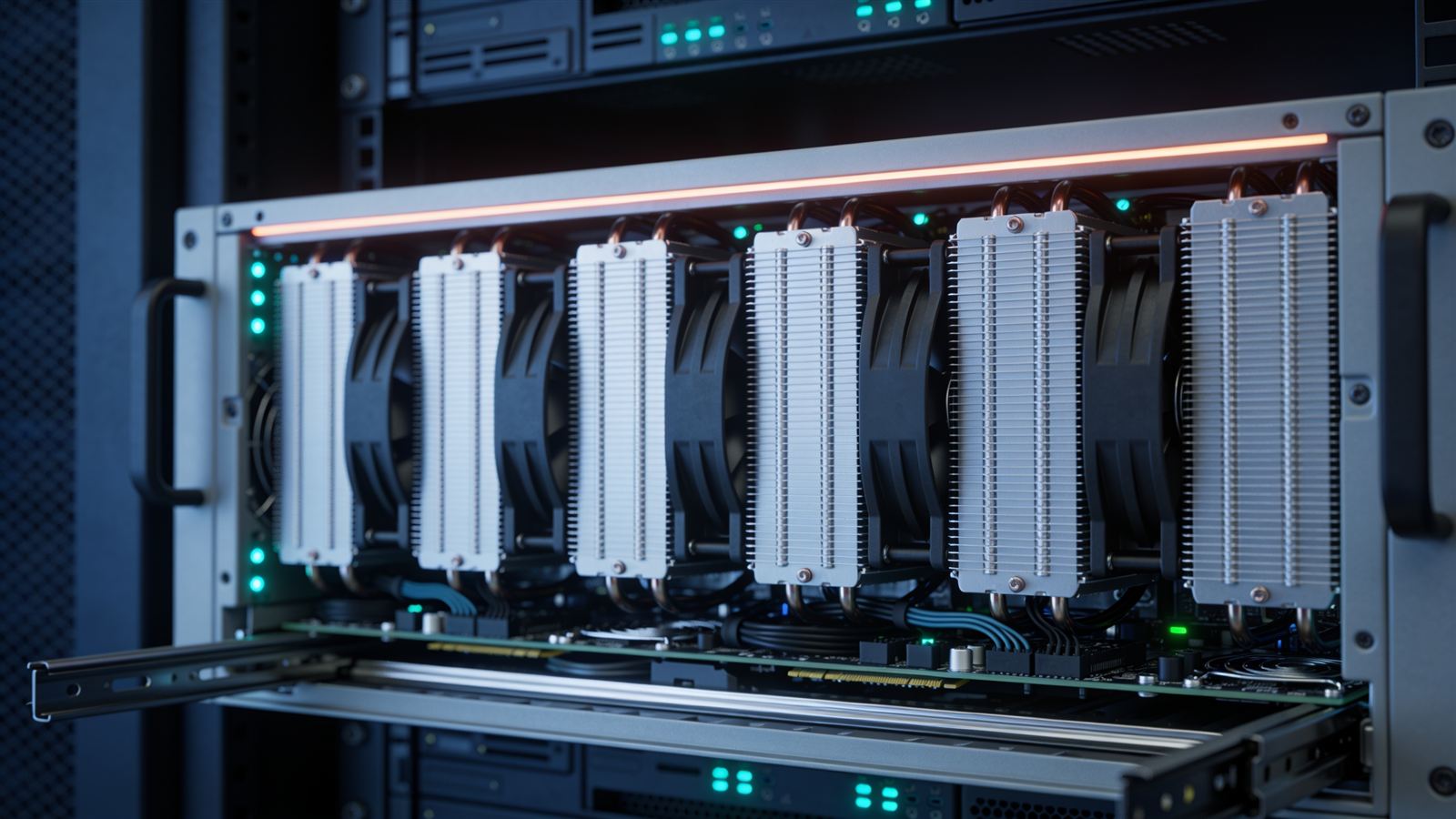
North American client, delivered by the OpsBreak team
Moving a language model workload from paid APIs to self-hosting
About 60% lower model running cost than API pricing
Questions buyers ask
- Will self-hosting save us money?
- Only if your volume is high and steady enough to keep GPUs busy. Below that, a pay-per-token API is usually cheaper once you count engineering time, and we will tell you that plainly.
- Will cheaper models hurt answer quality?
- They can. That is why we build an evaluation set from your real requests first and only switch models or quantise when results stay within the bar you set.
- What access do you need?
- Request logs or usage exports, billing data, and a role in your own cloud accounts if we are deploying a serving stack. Prompts and outputs stay in your environment.
- Can the model run inside the UAE?
- Yes, if GPU capacity is available in your chosen UAE region. We check availability before recommending it, since GPU supply varies by region.
Talk to us about GPU and AI inference cost optimisation.
Tell us what you run and where. We reply within one business day with questions or a quote.